
Our Services
Routine foot care
An extensive range of foot disorders can be treated in our routine podiatry appointments. Rather than just relieving pain temporarily, treatment aims to correct problems where possible.
As part of our routine foot care appointments, we remove calluses and corns, file and cut nails, treat fungal, verrucae and other foot-related skin conditions and perform ingrown nail treatments.*
*There may be an additional charge for some of these treatments.

Diabetic foot care
People with diabetes have a high risk for many types of foot health
problems. Without early detection and treatment, diabetic foot problems can lead to infection and amputation. The nerves and blood vessels in your feet can be damaged by high blood glucose over time, resulting in diabetic foot problems.
Nerve damage from diabetes is called diabetic
neuropathy. It can make your feet feel numb or Tingly.
It can also cause you to lose feeling in your feet. If you don’t feel pain in your feet,
you may not notice a callus, blister or cut on your foot.
Without treatment, these types of common foot wounds can become ulcers (open
sores) that can get infected.

Biomechanics
If you are experiencing pain in your lower limbs or feet, and no cause has been established, the first step is to perform a biomechanical assessment. This examination helps us understand the root of your problem and determine what treatments are needed to alleviate symptoms.
When conducting a biomechanical assessment, we examine your lower limbs’ structure, alignment, strengths and weaknesses. This thorough process
includes the examination of your pelvis, legs, knees, and feet to assess how they’re working as a whole and establish any abnormalities that may
be affecting the others, leading to pain.
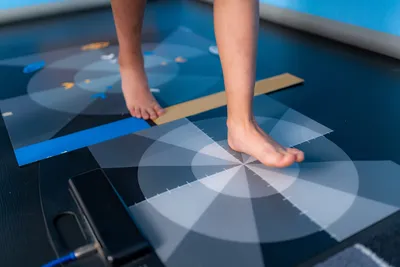
In addition, we use gait analysis to treat individuals with conditions affecting their ability to walk. This method can help us identify posture or movement-related problems in people with injuries.
In most instances, simple self-help measures along with specialist treatment at the clinic will result in a marked improvement in symptoms.
Fungal / Verruca Treatments
Verrucae may go away on their own, but it can take months or even years for them to disappear. Treatment can help speed up the process and reduce the risk of spreading the virus to others. It is important to seek treatment for verrucae, especially if they are painful or causing discomfort.
There are a few different treatment options for fungal nails, the treatment which may be best suited to you is dependent on the severity
of the infection and a number of factors following the assessment.
With any fungal nail treatment intervention, it can take anything from 6-18 months for the infection to fully clear. This is because the anti-fungal treatments stop further growth of fungal elements, which allows a healthy nail to regrow, and toenails grow slower than fingernails.

Reflexology
Reflexology is a type of therapy that uses gentle pressure on specific points along your feet. Reflexology may help you feel less stressed,
more relaxed, and more energised. But the benefits might go deeper if you have certain health issues.
Some people with medical conditions find that they feel less pain and discomfort if they have less stress, and reflexology may help with that.
